This is fact! Even if an artist or author signed agreements that transferred all rights to their music label or publisher, a federal law allows the artist to reclaim the copyright after a certain number of years. See 17 U.S.C. § 203.
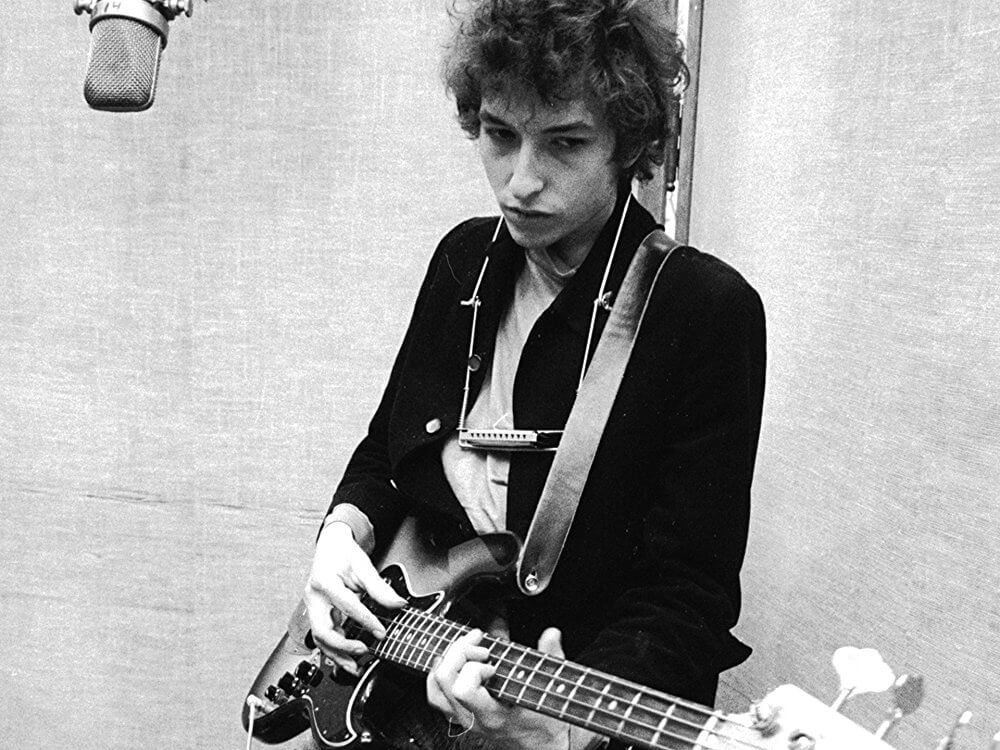
Image Source: amazon.com
The Copyright Act of 1976 allows recording artists and songwriters the right to claw back rights to copyrighted work 35 years after creation? This so-called “termination right” is designed to enable creators to renegotiate the publishing or license deals they entered into before the true value of their work was known. For example, a song may not garner much attention or money when it is first created, but may be used years later in a movie that shoots it to the top of the charts. And many artists cannot get their works published without first assigning away rights. The termination right applies to rights assigned from January 1, 1978, on condition the works were not “made for hire”.
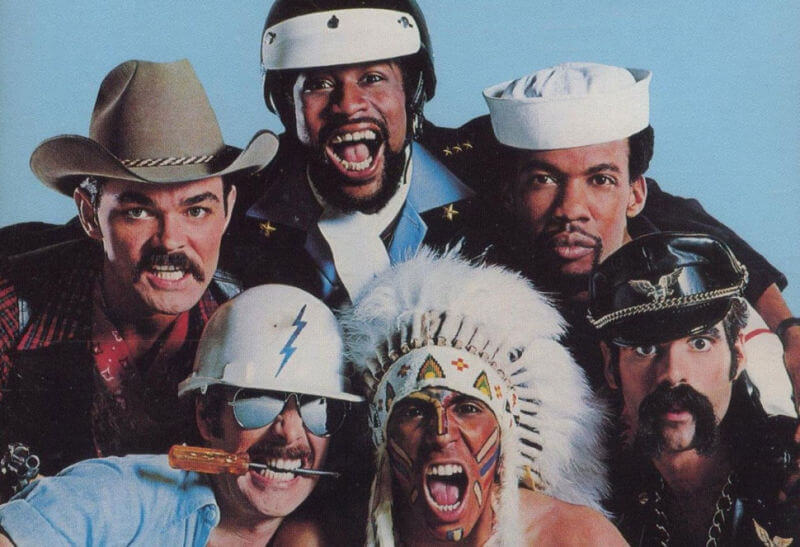
Image Source: gawker.com
These termination rights have recently begun to become effective in 2013 (35 years after the law’s passage in 1978). For example, a California federal court held that Victor Willis, former lead singer of the 1970s pop band, Village People, had the right to his interests in the copyright of 33 songs he co-authored, including “YMCA.” The federal court rejected the publisher’s challenge to the validity of the termination notice submitted by Willis. See Scorpio Music, et al. v. Willis, 11 Civ. 1557 (BTM), 2012 WL 1598043 (S.D.Ca. May 7, 2012).
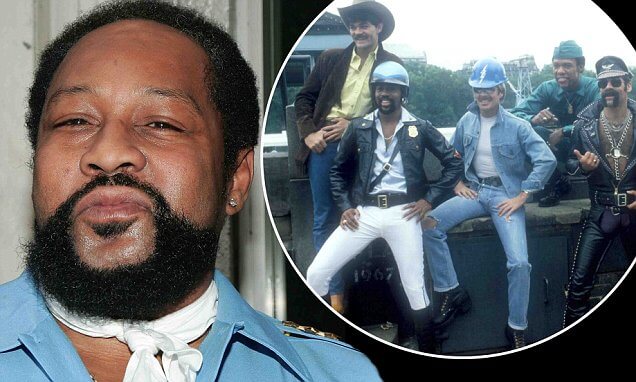
Image Source: dailymail.co.uk
Do California Artists Have Additional Rights Beyond Federal Copyright Law?
When asking “can visual artists in California prevent destruction of their artwork even if they sold the physical piece or does California law provide protections beyond federal copyright,” the answer is yes—California Civil Code Section 987 grants California artists moral rights that exceed federal protections under the Visual Artists Rights Act.
California law protects artists’ rights to claim authorship and to prevent intentional physical defacement, mutilation, or destruction of fine art of recognized quality, applying to paintings, sculptures, drawings, and original works of graphic art. Unlike federal VARA protections which only apply to works created after 1991, California’s Art Preservation Act covers works created at any time, providing significantly broader protection for California artists whose earlier works gain value decades after creation.
California courts enforce these protections through both civil liability claims allowing artists to recover actual damages and injunctive relief to prevent threatened destruction, and through criminal penalties making intentional defacement a misdemeanor under certain circumstances. Recent California Superior Court cases demonstrate that property owners who destroy murals or sculptures face substantial legal defense costs and potential damage awards when California artists assert their moral rights.
However, California law includes important exceptions—the protection doesn’t apply when art is incorporated into buildings and proper notice procedures under California Civil Code Section 987(c) aren’t followed, making compliance with notification requirements critical for artists whose work adorns Los Angeles, Orange County, and California properties.
Many songwriters including Bob Dylan, Tom Petty, Prince and David Byrne have either done so or threatened to do so as they renegotiated royalty deals.
If an artist is deceased, termination notices may also be sent to license holders by the surviving spouses, children or grandchildren, or executors, administrators, personal representatives or trustees. For example, singer James Brown’s surviving spouse would be entitled to 50 percent of his termination interest, with the other 50 percent shared by his surviving children.
What do you think? Should artists be able to reclaim the rights they contractually assigned away? Should they be able to reclaim the rights even sooner than 35 years after the work’s creation?