In a Mississippi suburb Carol and Mike Richardson have been working on an increasingly elaborate Christmas display over the last 20 years. However, neighbors claimed the display was drawing loud music and traffic from viewers, and even buses. The display, traffic, and noise have annoyed neighbors so much that they asked the Board of Aldermen to declare it a public nuisance.
An Ohio man erected a nativity scene on his lawn portraying Jesus, Mary and Joseph as zombies. The city fined him $500 a day due to an alleged zoning regulation violation because he had not obtained a permit for the wooden structure on his lawn.
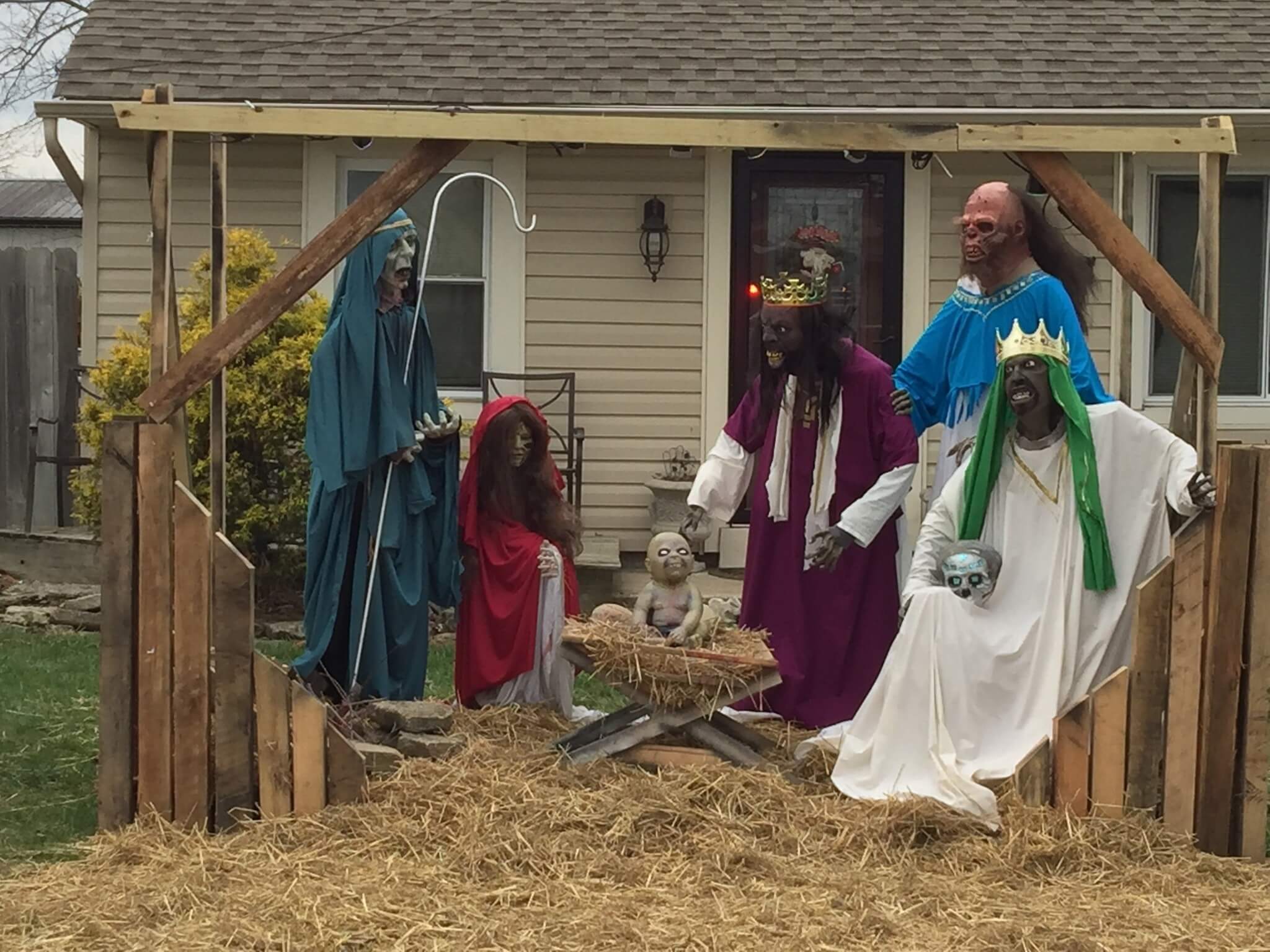
Image Source: latimes.com
In 2014 the city of Plantation, Florida sued the Hyatt family on the grounds that the “carnival-like atmosphere” was incompatible with the neighborhood. Neighbors said strangers knocked on their doors asking to use the bathroom, cut through their property to see the display and left trash in the street. However, the city lost its lawsuit when a judge ruled that the Hyatts had not caused a public nuisance. The city spent about $434,000 in legal fees and was even ordered to pay $15,000 to the Hyatts.
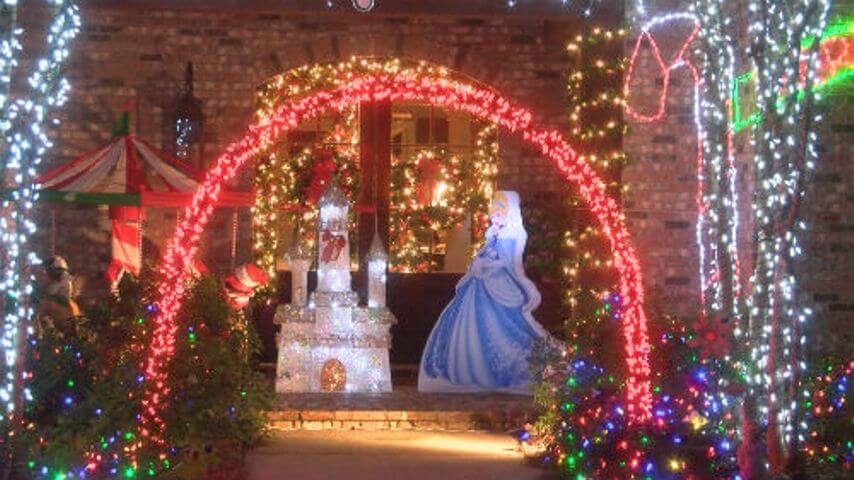
Image Source: wbrz.com
In Oklahoma Kirk Williams’ 20,000-light Christmas display drew a nuisance lawsuit from a neighbor who claimed that the light display caused traffic and noise problems in the neighborhood, and that spectators damaged his lawn and littered on his property. The judge dismissed the nuisance charge, but not after ordering Williams to add a message to his display asking spectators to be respectful in terms of noise, traffic, and trash.
What If Your Neighbor’s Holiday Decorations Are A Nuisance
You can check to see if there are any Covenants, Conditions and Restrictions (CC&Rs) that govern your neighborhood or building. CC&Rs outline acceptable uses and limitations on the property imposed by the homeowners association (HOA). If a holiday display violates the CC&Rs, you can file a complaint with the homeowners association, which has the power to levy fines.
Also check your city and county’s local ordinances and regulations. For example, the city of San Diego addresses outside lighting regulations, including temporary seasonal lighting, in its municipal code. It requires that “New outdoor lighting fixtures shall … direct, shield, and control light to keep it from falling onto surrounding properties.” Many local ordinances also address noise levels.
If other neighbors are also bothered by the decorations, consider circulating a petition to show the offending homeowner that you aren’t the only one affected by their over the top display.
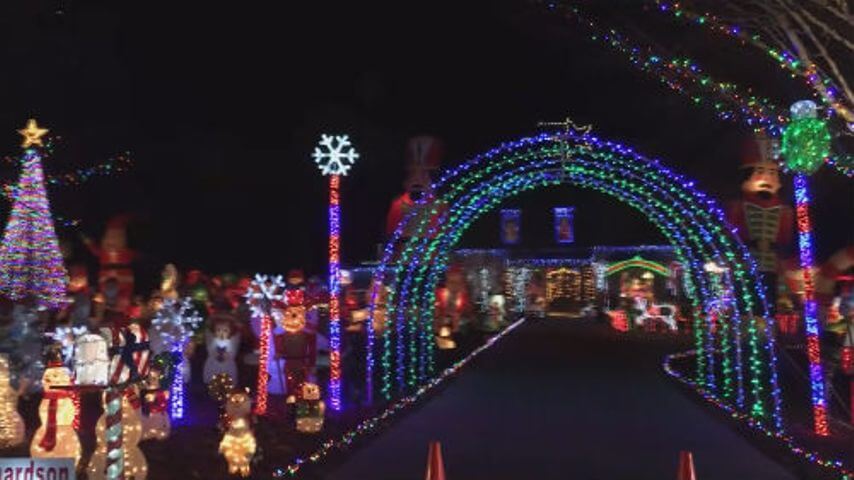
Image Source: wbrz.com
As a last resort, you can explore filing a civil lawsuit against the neighbor. The primary causes of action in such a suit would be for private and/or public nuisance. In general, private nuisance is generally a substantial and unreasonable interference with another’s use and enjoyment of land based on an ordinary person in that situation. A private nuisance can include noise, dust and light, and does not require any sort of physical invasion. A public nuisance affects the health, morals, safety, welfare, comfort or convenience of the general public. In a nuisance lawsuit, the plaintiff usually requests an injunction to stop the offensive display or noise. However, these suits are difficult to win and may not be justified by the legal fees you would incur.
What Must You Prove to Win a Nuisance Lawsuit in California?
Can you actually win a nuisance lawsuit against your neighbor’s excessive Christmas lights in California? California Civil Code Section 3479 defines nuisance as anything “offensive to the senses, or an obstruction to the free use of property, so as to interfere with the comfortable enjoyment of life or property,” establishing the legal framework that California courts apply to holiday decoration disputes.
To prevail in a private nuisance claim under California law, you must prove the neighbor’s display constitutes a substantial and unreasonable interference with your use and enjoyment of your property based on what an ordinary reasonable person would find tolerable. California courts evaluate factors including severity of the interference, duration and frequency of the disturbance, and whether the defendant’s conduct serves any legitimate purpose. Merely finding lights aesthetically displeasing or mildly annoying won’t meet California’s legal threshold—you need demonstrable harm like sleep deprivation from excessive lighting, property damage from trespassing spectators, or blocked driveway access from traffic congestion.
California Civil Code Section 3480 defines public nuisance as affecting “an entire community or neighborhood, or any considerable number of persons,” which requires showing the display impacts multiple neighbors beyond just your household. Successful plaintiffs can obtain injunctive relief ordering the display’s removal or modification, plus monetary damages for proven harm, though California courts historically favor balancing property rights against seasonal expressions. The reality that makes these cases expensive: proving “substantial and unreasonable” interference requires expert testimony, traffic studies, decibel measurements, and extensive documentation that typically costs far more than the nuisance itself causes in actual damages.
How garish would your neighbor’s Christmas display have to be to disturb you?