Your Personal Injury Attorney Throughout Los Angeles
A personal injury is physical, emotional, or psychological harm suffered by an individual as a result of another party’s negligence, recklessness, or intentional misconduct. Personal injuries differ from property damage because they affect the human body and mind rather than material possessions.
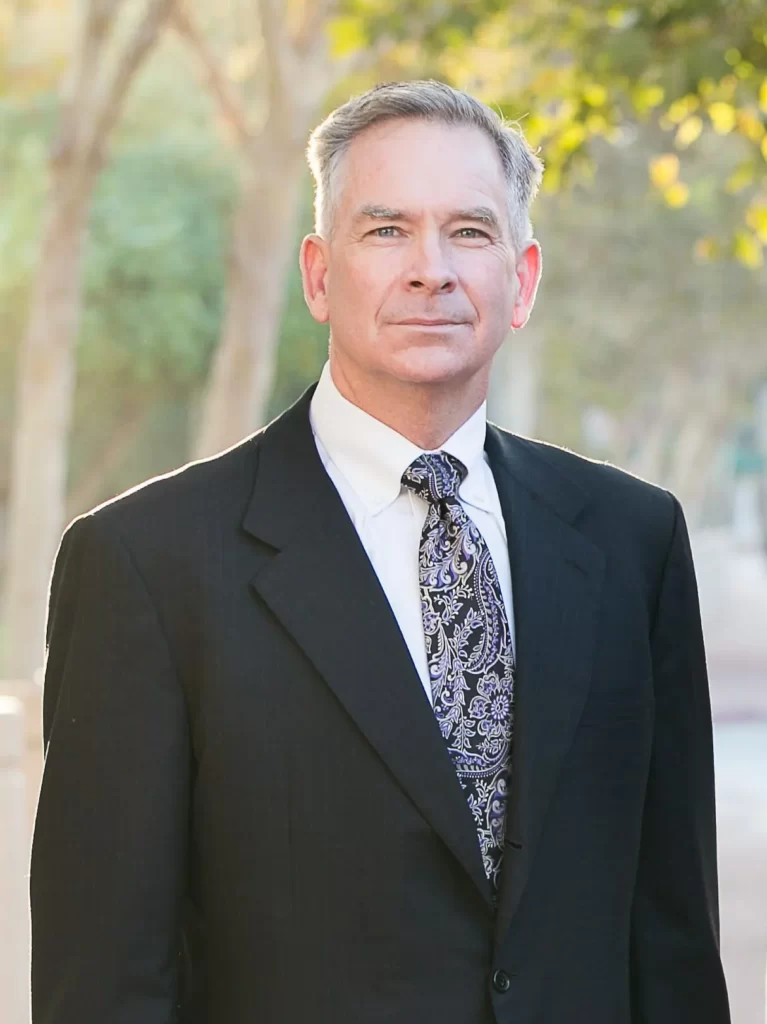
Derek Pakiz and Robert Reeves at the Reeves Law Group are experienced and highly-rated personal injury attorneys in Los Angeles with their law firm’s primary offices located in LA county.
In the midst of the pain and turmoil after a serious accident you or a loved one has suffered, you may ask: why hire our injury law firm?
The answer is easy: Derek is not just any injury attorney specializing in personal injury cases, he is arguably one of California’s top authorities in injury cases when it comes to car accidents, truck accidents, catastrophic injuries, drownings, and wrongful death, thanks to his extensive experience and considering that he is only one in more than 250,000 attorneys in California to be certified in both Civil Trial and Truck Accident law.
Derek Pakiz is also a certified lifeguard with decades of experience in his younger days, and Derek is a current Association Board Member of the Long Beach Lifeguard Association.
He has witnessed many injuries first-hand, including serious spinal cord injuries and TBIs, and more importantly has administered first aid and prevented drownings and other injuries in the course of his duties. Not many injury attorneys actually understand what it’s like to go through an accident and injury, but Derek does.
If you or a loved one has been injured in an unfortunate accident, contact an experienced injury attorney at The Reeves Law Group for immediate assistance.

What Is a Personal Injury Accident Attorney?
A personal injury accident attorney is a legal professional who represents individuals harmed by the negligence or wrongful actions of others. These attorneys handle cases involving car accidents, truck collisions, rideshare accidents, drownings, catastrophic injuries, and wrongful death claims.
Personal injury lawyers navigate complex insurance negotiations, establish liability through evidence gathering, and pursue maximum compensation for their clients’ medical expenses, lost wages, and pain and suffering.
At our firm, our attorneys place great emphasis on helping victims of serious and tragic accidents throughout Los Angeles County, including traffic collisions, pedestrian accidents, water-related incidents, and cases involving permanent disability or loss of life.
If you’ve sustained injuries in an accident caused by someone else’s negligence, the journey ahead may seem filled with struggle and stress. Attorney Derek Pakiz understands the vulnerability you feel and the fear of facing large insurance companies and corporate defendants.
Leverage Derek’s tiger-like qualities and his personal injury experience, rooted in determination and courage, and call the The Reeves Law Group toda.
Contact us on (800) 644-8000 for a complimentary, confidential consultation.
Our mission is to protect your trust in justice, combat the injustice you’ve faced, and secure the rightful compensation you deserve after a devastating incident caused by another party’s negligence.
What is the Cost to Hire Your Firm?
There is no cost unless you win!
Our personal injury and accident law firm provides free contingency fee counsel (you pay no fee until we win) on the legal rights and obligations associated with all types of injury cases.
We possess extensive and specialized expertise in negotiating with insurance companies representing at-fault parties. When faced with lowball offers or claim denials, we are exceptionally skilled at filing lawsuits and proceeding to court to reclaim damages for our clients. Our ultimate goal is to succeed in your case and ensure you receive fair compensation.
What Should I Do After Being Injured in an Accident? (Victim’s Perspective)
In the distress of an accident, and amidst the overwhelming feelings of loneliness and vulnerability, if you have been injured due to another party’s negligence, it is important to remember the following steps:
Call The Police and File a Police Report
The immediate aftermath of an accident might seem like a daunting challenge. Prioritize your safety, call the police, and file a report because this official documentation establishes a timeline and records critical details while they are fresh. Collect evidence of the scene, like photographs, capturing the sacrifice of the moment. When it’s safe to do so, take photos of vehicle damage, road conditions, visible injuries, and any contributing factors such as broken traffic signals or wet surfaces.
With this evidence in hand, your attorney can stand in advocacy for you, determining liability and ensuring you get the compensation you deserve based on the detailed information from the accident scene.
Seek Medical Attention
In the quest for reassurance, even if you feel fine initially, seek medical attention after the accident because many serious injuries do not manifest symptoms immediately. The fight against unseen injuries begins with a professional diagnosis. Traumatic brain injuries, internal bleeding, soft tissue damage, and spinal injuries often present delayed symptoms that only a medical professional can identify through proper examination.
This not only aids your health but establishes the crucial link between the accident and any injuries, reinforcing your case against the at-fault party. Insurance companies frequently challenge claims where victims delayed seeking medical treatment, arguing that injuries must not have been serious or were caused by something other than the accident.
You May Want to Contact a Personal Injury Lawyer
 Can you sue if you get injured in an accident? Most likely yes, provided the other party was negligent and their negligence caused your injuries. Individuals injured in any type of accident should contact a local injury attorney before filing a claim or speaking to an insurance company because adjusters are trained to minimize payouts and may use your statements against you.
Do not negotiate or accept any offers! An experienced accident and injury lawyer’s role is to provide professional counsel and reassurance to accident victims and handle some or all of the communication with the insurance companies and opposing parties.
Litigating a personal injury lawsuit is not something that most citizens would find easy or fruitful, even if they have legal experience. The psychology and reasoning that goes into determining who the at-fault party is and providing persuasive evidence to win the case requires specialized knowledge and courtroom experience.
Remember that accidents are commonplace for an insurance company, and they investigate many claims made against them. Certain things you do or say can result in them challenging your insurance claim, whether or not they are true. These could include posting pictures on social media, admitting in a recorded statement that you were partially responsible for the accident, or acknowledging that your injuries were pre-existing.
If you have suffered a serious injury due to the negligence of another party, contact The Reeves Law Group for a free case evaluation. Our law firm works on a contingency basis, meaning you don’t pay fees unless we win your case.
What Types of Cases Does an Injury Attorney Handle?
Personal injury law encompasses all civil cases where an individual suffers physical, emotional, or financial harm due to another party’s negligence, recklessness, or intentional misconduct.
The legal foundation for these cases rests on the concept of negligence, which requires proving four elements: duty of care, breach of that duty, causation, and damages.
Traffic Accidents (Car, Truck, and Rideshare)
Traffic accidents represent the most common type of personal injury case in Los Angeles County because the region’s extensive freeway system and high traffic volume create numerous opportunities for collisions. Car accidents involve passenger vehicles and can result from distracted driving, speeding, failure to yield, or driving under the influence. Truck accidents are particularly devastating because commercial vehicles weighing up to 80,000 pounds cause catastrophic damage and injuries when they collide with passenger cars.
Attorney Derek Pakiz holds specialized certification in Truck Accident Law, making him uniquely qualified to handle these complex cases involving federal regulations and multiple liable parties.
Uber and Lyft accidents present unique liability challenges because drivers are classified as independent contractors rather than employees. Insurance coverage in rideshare accidents varies depending on whether the driver was logged into the app, en route to pick up a passenger, or actively transporting a rider. Our firm has handled rideshare accident cases since these companies first began operating in California.
Catastrophic Injuries and Wrongful Death
Catastrophic injuries are defined as severe injuries that result in permanent disability, disfigurement, or significant impairment of bodily function. These injuries include traumatic brain injuries, spinal cord injuries resulting in paralysis, severe burns, amputations, and multiple bone fractures requiring extensive surgical intervention.
Our firm has recovered $32.5 million in a single brain injury case because these devastating injuries require lifetime care and result in permanent loss of earning capacity.
Wrongful death claims arise when a person dies due to another party’s negligence or intentional misconduct. California law allows surviving family members, including spouses, children, and domestic partners, to pursue compensation for their economic and emotional losses. We recovered $11 million in one wrongful death case, demonstrating our ability to achieve substantial results for grieving families.
Water-Related Accidents (Drownings, Pool Accidents, and Boating)
Drowning accidents and swimming pool injuries occur when property owners fail to maintain safe conditions or provide adequate supervision. California law imposes strict liability on pool owners who fail to install proper fencing, gates, and safety equipment. Boating accidents on Southern California’s lakes, harbors, and coastal waters involve maritime law complexities that require specialized legal knowledge.
Our firm has recovered $3.25 million in a recent drowning case, reflecting our expertise in these tragic water-related matters.
How Much Money is My Personal Injury Case Worth?

Economic damages include quantifiable losses such as medical bills, lost wages, and property damage. Non-economic damages compensate for subjective losses including pain and suffering, emotional distress, and loss of enjoyment of life.
What Compensation or Payment Can I Receive For a Personal Injury?
Permanent disability, disfigurement, and loss of enjoyment of life are terrible consequences of serious accidents, and need to be truly compensated for.
After an accident, you may file a personal injury claim and recover compensation (also known as a settlement) for:
- Medical bills and health care expenditures
- Costs of rehabilitation/healing/recovery process
- Property Damage
- Pain and suffering
- Loss of Wages
- Life-Care expenses for permanent injuries
- Loss of Enjoyment of Life
- Death of a Loved One (or wrongful death)
Our firm has recovered over $250 million for clients across all case types, including $12 million in a car accident case and $8.75 million in a truck accident case. These results demonstrate our ability to maximize compensation for injury victims throughout Los Angeles County.
Do I Have to Go to Court If I File a Personal Injury Lawsuit?
Most personal injury cases don’t have to go to court because they are settled prior to trial, or even before the lawsuit is finalized (meaning you likely won’t ever have to speak with a judge). This is especially important for clients that are injured or unable to attend due to a disability. Negotiations will take place between your (plaintiffs’) legal team and the defendants’ attorney, and while they can be lengthy, both parties generally tend to avoid going to trial and prefer achieving a legal result via negotiations.
However, our firm is fully prepared to take cases to trial when insurance companies refuse to offer fair settlements. Attorney Derek Pakiz’s dual certification in Civil Trial and Truck Accident Law means defendants know we have the courtroom experience and credentials to win at trial, which often motivates them to settle for higher amounts.
What is the Best Way to Find a Personal Injury and Accident Lawyer in LA County?
Asking friends and family for referrals, as well as looking online for highly-regarded attorneys is the tried and true method because personal recommendations and verified reviews provide insight into an attorney’s actual performance and client service. Avvo, Yelp and Google reviews are excellent sources.
It’s never good to see a family member or friend in pain, but you may learn from their experience if they had an attorney they were happy with, or if they weren’t!
A good accident lawyer is worth their weight in gold, and can help individuals who are victims of all types of accidents with their injury claims. They can also help families who have suffered the death of a loved one in a collision file a wrongful death claim.
When selecting an attorney, consider their specific experience with your type of case, their track record of results, their trial experience, and their professional certifications. Derek Pakiz’s unique dual certification in Civil Trial and Truck Accident Law sets him apart from other injury and accident attorneys in California.
About Our Firm


An expert negotiator and litigator, Derek Pakiz at the Reeves Law Group is a multi-awarded injury attorney who has been practicing for over three decades. His comprehensive knowledge of California laws and Los Angeles ordinances enables him to construct compelling legal arguments for his clients.
Derek has been acknowledged as one of the Top 100 Trial Lawyers nationwide by the National Trial Lawyers Association.
Derek is arguably one of the top authorities in catastrophic personal injury cases in LA due to his extensive experience. He is only one out of more than 250,000 attorneys in California to be certified in both Civil Trial and Truck Accident law.
With a 98% win rate, The Reeves Law Group is nationally recognized and was featured in Newsweek’s 10 Best List. They have represented thousands of car accident victims throughout Southern California.
Aside from their extensive experience, the law firm also invests in state-of-the-art technology and equipment to build a solid case, and for over 30 years, they have helped countless car wreck car and other accident survivors around the state, recovering over $250 million in verdicts and settlements.


For A Free Consultation
Call (213) 271-9318
Contact a Los Angeles County Personal Injury lawyer at the Reeves Law Group LAW FIRM
If you or a loved one was injured or killed in a devastating accident in LA County, you may be entitled to compensation for your medical expenses, lost wages, pain and suffering, and other damages.
Make sure you hire an accident lawyer who has a proven track record across multiple case types and can assist you in dealing with insurance companies, filing a successful injury claim, and recovering full damages while achieving justice.
Contact Los Angeles injury and accident attorney Derek Pakiz today by calling (213) 271-9318 to arrange a free consultation and case review. Our highly specialized team is experienced, friendly, professional, attentive, dependable, and tenacious.
[Written by Derek Pakiz. Page updated on 12/16/2025]
CONTACT US