Serious Car Accident Injuries
Have you been injured in Los Angeles from an auto accident due to someone else’s fault or a deliberate act?
A serious car accident can turn your life upside down in an instant—leaving you with physical injuries, emotional trauma, and mounting medical bills. When the crash was caused by another driver’s carelessness or reckless actions, the frustration and uncertainty can feel even heavier.
You deserve answers, support, and fair compensation. Our team understands how overwhelming this process can be, and we’re here to guide you with empathy and determination. We focus on protecting your rights, handling the legal complexities, and helping you rebuild with strength and peace of mind.
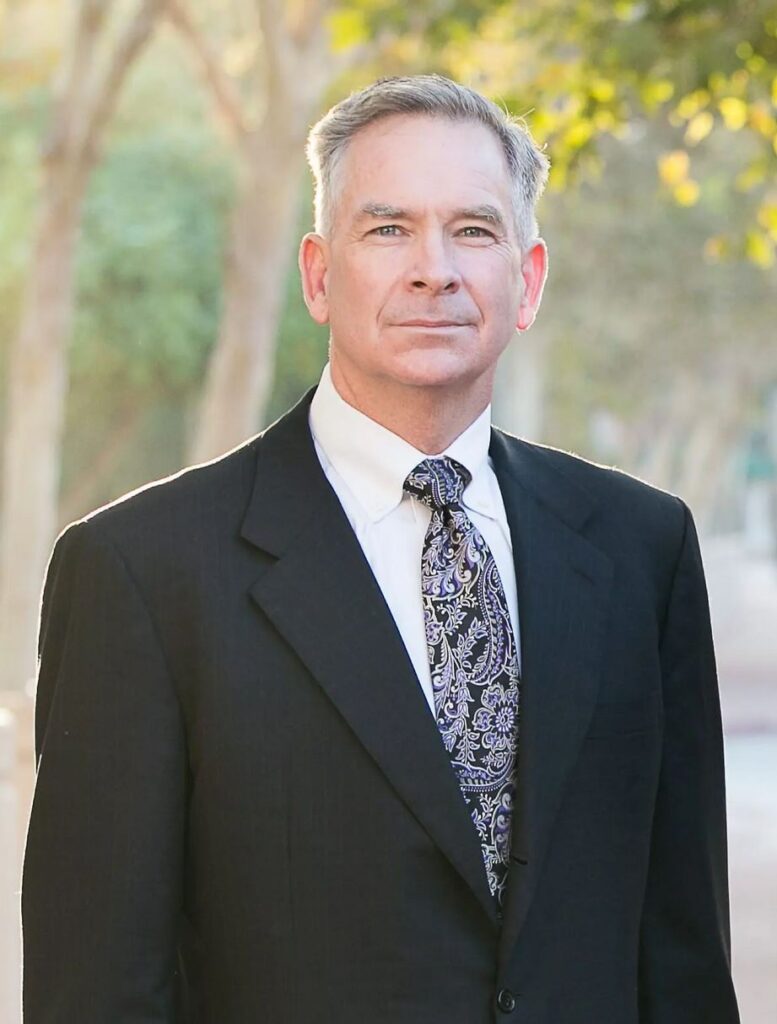
Derek Pakiz at the Reeves Law Group is a premier Los Angeles Car and Auto Accidents Lawyer that that have helped many victims of serious crashes. In fact, our injury lawyers have a long history of winning cases that “nobody thought we could win.”
Featured in Newsweek’s Top 10 Trial Lawyers in the Country, the accident and injury attorneys at the Reeves Law Group are well known and respected through a long record of success helping plaintiffs involved in auto collisions fight large insurance companies, well-financed corporate and individual defendants, and have recovered over $250 Million dollars for our clients. These abilities are due to their legal expertise, and financial resources.
Types of Cases our Law Firm Handles
 The auto accident injury lawyers at the Reeves Law Group typically handle a wide range of car accident cases. These accidents often involve injury claims, insurance disputes, or negligence lawsuits.
Each type presents unique legal challenges and evidence requirements. Below is a list of the most common car accident types that we routinely manage:
-
Rear-End Collisions – Often caused by distracted driving or tailgating; liability typically falls on the trailing driver.
-
Los Angeles Head-On Collisions – Frequently result in severe injuries or fatalities; usually linked to wrong-way driving, DUI, or fatigue.
-
Side-Impact (T-Bone) Accidents – Occur at intersections; often involve right-of-way violations or signal failures.
-
Multi-Vehicle Pileups – Complex cases involving chain reactions; establishing fault requires detailed investigation.
-
Sideswipe Collisions – Common on highways or during lane changes; often caused by blind spot errors or reckless driving.
-
Rollover Accidents – Usually involve SUVs or trucks; linked to sharp turns, tire defects, or high-speed maneuvers.
-
Hit-and-Run Accidents – Involve drivers who flee the scene; legal focus shifts to uninsured motorist coverage and locating the perpetrator.
-
Single-Vehicle Accidents – Include collisions with objects or animals; often involve driver error, poor road conditions, or mechanical failure.
-
Pedestrian-Involved Accidents – Frequently occur in crosswalks or parking lots; drivers may fail to yield or see pedestrians.
-
Bicycle and Motorcycle Collisions – Higher risk of injury due to lack of protection; often involve right-of-way and visibility issues
If you have been involved as a victim in an automobile accident, contact us today.



How Can Our Attorneys Help?
Dealing with the aftermath of a car accident alone can significantly harm your claim. Insurance companies are skilled at minimizing payouts and may pressure you into accepting inadequate settlements. Having a skilled attorney by your side ensures your rights are protected.
Here’s how Derek Pakiz, Robert Reeves, and their team help accident victims:
-
Conducting a thorough investigation, gathering crucial evidence such as police reports, traffic camera footage, and witness statements.
-
Handling all communications with insurers, preventing common mistakes victims make that could negatively impact compensation.
-
Accurately assessing your claim’s value, including medical expenses, lost wages, pain and suffering, and future care costs.
-
Negotiating aggressively for maximum compensation, prepared to take your case to trial if insurance companies refuse fair settlement terms.
Studies consistently show that hiring a personal injury attorney significantly increases your potential compensation. The attorneys at The Reeves Law Group leverage their experience to make sure you receive everything you’re entitled to.
Compassionate Support for Every Client
Above all, Derek Pakiz and Robert Reeves understand that a car accident can be emotionally devastating. They offer compassionate, attentive support from your first consultation until your case is resolved. With a focus on personal connection, they handle the legal complexities so you can prioritize healing.
You don’t have to navigate this stressful period alone. Contact the car accident attorneys at The Reeves Law Group today for your free consultation—because your recovery matters most.
How Much Does a Car Injury Attorney Cost?
Hiring an attorney costs you nothing upfront. Attorneys Derek Pakiz and Robert Reeves work exclusively on a contingency fee basis, meaning you don’t pay any attorney fees unless they successfully win your case.
This “no win, no fee” arrangement allows everyone—regardless of financial circumstances—to access high-quality legal representation. In other words, their fee is directly tied to your recovery, aligning your interests and theirs entirely.
Your initial consultation is also completely free. You’ll speak directly with experienced car accident legal counsel who will evaluate your claim, answer your questions, and explain your options clearly. There are no hidden charges or obligations, offering peace of mind during a stressful time.
By working under a contingency agreement, Derek Pakiz and Robert Reeves make exceptional legal help available to all Los Angeles accident victims. This approach ensures that financial worries won’t prevent you from seeking the justice and compensation you deserve.
What Should I Do After a Car Crash?
Taking immediate steps after a car accident protects your health and strengthens your claim. Follow these guidelines to safeguard your rights:
-
Call 911 and Ensure Safety:
Move vehicles from traffic lanes if safe, and immediately call emergency services. LAPD or CHP officers typically respond to accidents involving injuries or major damage, providing critical documentation for your claim. -
Seek Immediate Medical Attention:
Even minor injuries like whiplash or concussions might not show symptoms right away. Prompt medical care ensures your injuries are documented, crucial for establishing evidence and protecting your health. -
Document the Accident Scene:
Gather evidence by taking photos of vehicle damage, road conditions, intersections, or freeway markers. Exchange contact and insurance details with other drivers, and obtain contact information from eyewitnesses. -
Never Admit Fault:
When talking to the other driver or law enforcement, provide factual details without speculation. Statements like “I’m fine” or “I’m sorry” can unintentionally harm your case later on. -
Obtain a Police Report:
Request a copy of the accident report from LAPD or CHP as soon as it’s available. This official record is often vital evidence for proving fault and negotiating with insurers. -
Notify Your Insurance Company Promptly:
Inform your insurance provider about the accident, giving them only essential facts. Avoid providing recorded statements or detailed discussions about fault without legal advice. -
Consult an Experienced Car Crash Attorney:
Early legal representation significantly increases your chances of securing fair compensation. Attorneys Derek Pakiz and Robert Reeves can promptly manage communications, investigate thoroughly, and protect your rights, allowing you to focus solely on recovery.
Who Can Be Held Liable for My Car Accident?
Determining liability after a car wreck is crucial for securing compensation. California follows a pure comparative negligence system, meaning even if you’re partially at fault, you can still recover damages—though reduced proportionally to your degree of responsibility.
Multiple parties could potentially be liable in your car accident:
-
Other Drivers:
Negligent behaviors such as distracted driving, speeding, or driving under the influence often lead to accidents. For example, a distracted driver on the busy 101 freeway could easily cause a multi-vehicle collision. -
Employers of At-Fault Drivers:
If a commercial vehicle or rideshare driver (such as Uber or Lyft) caused the crash while on duty, their employer could also be responsible. -
Vehicle Manufacturers:
Faulty brakes, airbags, or other defects may have contributed to your accident. Such cases involve product liability claims against manufacturers. -
Government Agencies or Contractors:
Poorly maintained roads, inadequate signage, or malfunctioning traffic signals in Los Angeles can cause or worsen accidents. Note that claims against government entities typically must be filed within six months.
Even if you fear you contributed partially to your accident—perhaps due to slight speeding or delayed braking—California’s comparative negligence law still allows you to pursue a claim. The Reeves Law Group is a car accident law firm that ensures their attorneys thoroughly investigate each case, clearly establishing fault and maximizing your potential recovery.
What Compensation Can I Receive?
If you’ve been injured in a car accident in Los Angeles, California law entitles you to pursue compensation for both economic and non-economic losses. Attorneys Derek Pakiz and Robert Reeves will carefully evaluate your damages to ensure you receive maximum compensation.
You may recover compensation for:
-
Medical Expenses:
Costs for emergency care, surgeries, hospital stays, ongoing therapy, medication, and future medical needs. -
Lost Wages:
Income lost during recovery, including future earnings if you’re unable to return to your previous job. -
Property Damage:
Costs to repair or replace your vehicle and personal property damaged during the accident. -
Pain and Suffering:
Compensation for physical pain, emotional distress, anxiety, and diminished quality of life resulting from the accident. -
Disfigurement or Permanent Disability:
Additional compensation if your injuries result in lasting scars, physical impairments, or permanent limitations. -
Loss of Consortium:
Compensation if your injuries negatively impact your relationship with your spouse or family. -
Punitive Damages (Rare):
Awarded in cases involving extreme negligence or intentional misconduct, such as drunk driving accidents, to punish the wrongdoer and deter similar behavior.
California generally places no cap on damages for car accident claims, allowing attorneys Derek Pakiz and Robert Reeves to fully pursue every type of compensation you deserve. They will ensure no element of your loss is overlooked, advocating strongly to obtain the best possible outcome for your recovery.
How Long Do I Have to File a Car Accident Claim in California?
In California, you generally have two years from the date of your car accident to file a personal injury lawsuit. Missing this deadline typically means losing your right to pursue compensation, making it crucial to act promptly.
Exceptions to this rule exist—for example, if the accident involved a government vehicle or dangerous road conditions maintained by the City of Los Angeles, you must file a notice of claim within six months. Additionally, for minors injured in accidents, the two-year period typically starts upon reaching their 18th birthday.
Because critical evidence can quickly disappear and memories fade over time, contacting experienced attorneys like Derek Pakiz and Robert Reeves soon after the accident greatly strengthens your case. They will promptly investigate your accident, preserve evidence, and help ensure your claim meets all necessary deadlines.
What If the Other Driver Is Uninsured or It Was a Hit-and-Run?
Unfortunately, accidents involving uninsured drivers or hit-and-run incidents occur frequently in Los Angeles. If you’re involved in such a situation, you still have options for compensation through your own insurance coverage.
California law requires insurers to offer Uninsured Motorist (UM) and Underinsured Motorist (UIM) coverage. If you carry this coverage, your own insurance policy may compensate you for medical expenses, lost wages, and other damages when the at-fault driver is uninsured or unidentified.
In the case of a hit-and-run, promptly reporting the accident to LAPD or CHP is essential. Law enforcement can sometimes identify the at-fault driver through witness accounts, surveillance footage, or traffic cameras around Los Angeles.
Attorneys Derek Pakiz and Robert Reeves understand these challenging scenarios. They are experienced in negotiating effectively with insurance companies to ensure you receive full compensation from your UM/UIM coverage. Additionally, they explore all potential sources of recovery, including identifying third-party liability such as government entities responsible for unsafe roads or malfunctioning traffic signals.
Contact the Attorneys at Our Car Accident LAW FIRM
Derek Pakiz and the Los Angeles car accident attorneys at The Reeves Law Group offer a free, no-obligation consultation. Call our law firm at (213) 271-9318 anytime, or visit their office conveniently located at 1055 W 7th St. #3333, Los Angeles, CA 90017.
You pay nothing unless they win your case, eliminating financial risk entirely. If your injuries prevent you from traveling, personal injury attorneys Derek Pakiz, Robert Reeves, or their team members will gladly meet you at your home or hospital.
Let experienced and compassionate attorneys handle the legal complexities, allowing you to focus fully on healing and recovery. Help and support are just a phone call away—reach out today and let The Reeves Law Group secure the justice and compensation you deserve.
Why Choose Derek Pakiz as Your Accident Attorney?
When you’re injured, choosing the right attorney matters. Derek Pakiz at the Reeves Law Group law firm has a proven track record of success, with millions recovered for accident victims throughout Los Angeles. His commitment to clients goes beyond just legal advice—he genuinely cares about your recovery and well-being.
-
Experience that Matters: With extensive courtroom experience and numerous successful verdicts and settlements, their law firm’s attorneys have built reputations as trusted advocates in auto accident cases.
-
No Fee Unless They Win: Their contingency fee arrangement means you pay nothing upfront. You only pay legal fees if your case is successful, eliminating financial risk and allowing you access to top-quality representation.
-
Local Expertise: They understand the complexities of Los Angeles traffic laws, insurance companies, and local court systems, giving you an advantage in negotiations and trials.

What Do our past clients Have to Say About Our Attorneys?
“A car hit me when I was crossing the street on my bike in Oxnard. I went to the ER and then got physical therapy at St. John’s Regional Medical Center. When the driver’s insurance company said it wasn’t their fault, I knew I needed to hire a personal injury attorney. I hired The Reeves Law Group because they specialize in Oxnard bicycle accident cases. Attorney Blaise Patzkowski persuaded the insurance company to accept full responsibility for the bike crash. Mr. Patzkowski truly cared about how I was feeling and how my foot was recovering. He would personally call me to check up on me and helped settle my case. I really appreciate his hard work and with the money I got I plan on buying a car so this will never happen again!”
Tammy Pham wrote this review on via Avvo

5 out of 5 stars
Review Rating: 5 / 5
Date Published: 03-02-2022

CONTACT US